Physiotherapy at Home in Dubai: The Smarter Way to Recover, Heal, and Move Better
After nearly a decade of practising physiotherapy — first in hospital rehabilitation wards and more recently as a home-visiting therapist in Dubai — I have come to one firm conclusion: the patients who recover fastest are almost never the ones with the most expensive equipment or the fanciest clinic. They are the ones who receive consistent, personalised, high-quality care in an environment where they feel safe, comfortable, and genuinely at ease.
That environment, more often than not, is their own home.
In Dubai, where traffic between JLT and Downtown can easily consume forty minutes of a patient’s limited energy — energy that should be going towards healing — the ability to receive professional physiotherapy at home is not a luxury. It is, in many cases, a clinically superior option. In this article, I want to share what I have learned from hundreds of home physiotherapy sessions in Dubai: who it helps most, what conditions it can treat, what you can actually expect when a DHA-licensed physiotherapist visits your door, and why the home setting changes recovery outcomes in ways that are hard to quantify but impossible to ignore.
What Is Home Physiotherapy — And How Is It Different From a Clinic?
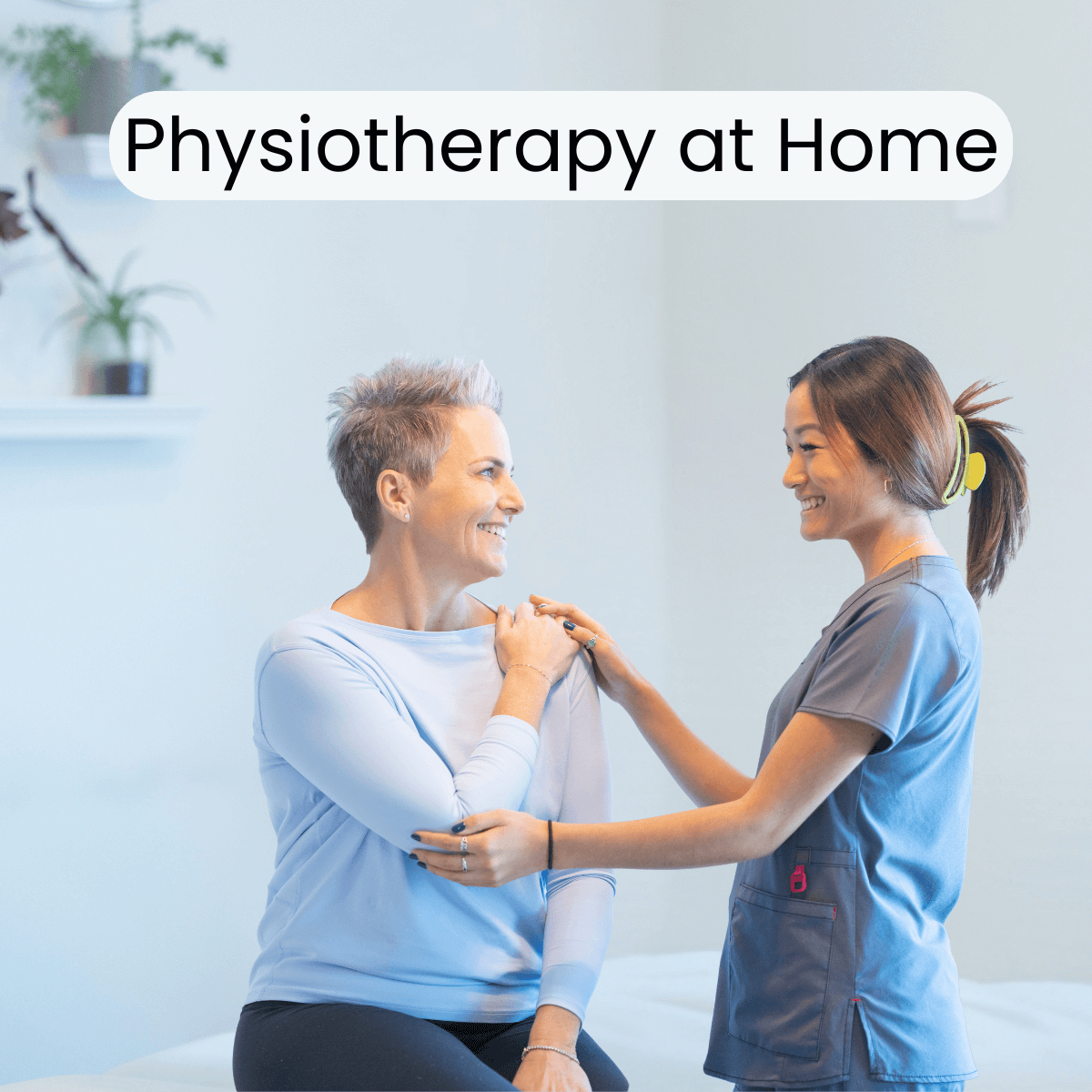
Home physiotherapy is exactly what it sounds like: a qualified, DHA-licensed physiotherapist comes to your residence, hotel, or workplace in Dubai, brings the necessary portable equipment, and delivers a personalised treatment session tailored to your specific condition and goals.
The clinical content — the assessment, manual therapy, exercise prescription, dry needling, electrotherapy, or whatever your condition requires — is identical to what you would receive in a well-equipped clinic. What changes is everything else: the commute, the waiting room, the anxiety of being observed by strangers, the post-session exhaustion of travelling home after treatment, and crucially, the functional context in which your therapist works.
Let me explain that last point, because it matters enormously. When I assess a patient at home, I can see how they actually live. I can observe their bed height, how they get up from their sofa, whether their kitchen worktop is at the right ergonomic level, how they climb their own stairs. That contextual information is invaluable for setting realistic goals, prescribing exercises that work in their actual environment, and identifying hazards that could impede or reverse their recovery. A clinic assessment, however thorough, is necessarily abstract. A home assessment is immediate and real.
Conditions Treated With Physiotherapy at Home in Dubai
In my practice, I encounter a remarkably wide range of conditions that respond well to home physiotherapy. Here are the most common presentations I see across Dubai, grouped by type:
Orthopaedic and Musculoskeletal Conditions
- Back pain and neck pain — The single most common reason people book home physiotherapy in Dubai. Whether it is chronic postural strain from long working hours at a desk, a disc herniation, or acute muscle spasm, manual therapy and targeted exercise delivered at home can be transformative.
- Knee pain and knee replacement rehabilitation — Post-surgical rehabilitation after total or partial knee replacement is one of the clearest cases where home physiotherapy wins outright. Travelling to a clinic in the early post-operative weeks is both painful and risky; home sessions allow rehab to begin safely and early.
- Shoulder injuries — Rotator cuff tears, frozen shoulder (adhesive capsulitis), and post-operative shoulder rehab all respond well to regular, consistent home physiotherapy sessions.
- Hip pain and hip replacement recovery — Similar to knee rehab, getting post-hip surgery patients moving safely and confidently in their own environment accelerates functional recovery.
- Sports injuries — Ankle sprains, ACL rehabilitation, hamstring strains, and runner’s knee are common presentations, particularly among Dubai’s active expat and sports community.
- Fracture rehabilitation — After a cast comes off or following surgical fixation, progressive rehabilitation at home rebuilds strength, mobility, and confidence.
Neurological Physiotherapy
This is an area where I am particularly passionate about the home-based model, because the functional environment matters most for neurological patients. Conditions I treat at home include:
- Post-stroke rehabilitation — Relearning movement patterns, improving balance, and rebuilding independence in a patient’s own home is neurologically more effective than practising in an unfamiliar clinical environment.
- Parkinson’s disease — Gait training, balance work, and fall prevention are critical for Parkinson’s patients; doing this work on the surfaces and in the spaces where a patient actually lives is clinically superior.
- Multiple sclerosis (MS) — Managing fatigue, maintaining mobility, and adapting to fluctuating symptoms all benefit from the consistency and familiarity of home-based physiotherapy.
- Guillain-Barré syndrome recovery — Progressive neuromuscular rehabilitation in a comfortable, familiar environment aids recovery significantly.
Post-Surgical Rehabilitation
Home physiotherapy after surgery is, in my view, one of the most clinically compelling use cases of all. In a hospital or clinic, physiotherapy sessions are typically short (30–45 minutes) and often involve waiting and travel that exhausts patients who are already depleted from surgery. At home, we can take the time needed, pace the session appropriately, and ensure that the patient’s energy goes into rehabilitation rather than logistics.
Common post-surgical cases I see include: spinal surgery (discectomy, spinal fusion), orthopaedic procedures, cardiac surgery rehabilitation, abdominal surgery, and oncology-related recovery.
Paediatric Physiotherapy
For children, the home environment is not just convenient — it is therapeutically optimal. Children engage most freely in spaces they feel secure. Treating a child with developmental delays, cerebral palsy, muscular dystrophy, or post-fracture rehabilitation at home, surrounded by their own toys and familiar routines, produces measurably better engagement and outcomes than a clinical setting ever could.
Geriatric Physiotherapy — Falls Prevention and Mobility
Among elderly patients in Dubai, fall prevention is one of the most critical and underaddressed health priorities. A significant proportion of older adults will experience a serious fall; many of those falls lead to fractures, hospitalisations, and a sharp decline in independence. Home physiotherapy for elderly patients addresses balance, muscle strength, gait safety, and environmental hazards — in the actual environment where falls are most likely to happen.
Why Home Physiotherapy in Dubai Makes Particular Sense
Dubai is a city with unique characteristics that make home healthcare exceptionally practical:
- Heat and climate — Between May and October, outdoor temperatures regularly exceed 40°C. For post-surgical patients, elderly individuals, children, or anyone with mobility limitations, travelling in this heat is genuinely harmful. Home physiotherapy removes this barrier entirely.
- Traffic and commuting — Dubai’s road network, while world-class, creates significant travel times during peak hours. For a patient with back pain or a recovering knee, a 45-minute drive to a clinic followed by a 45-minute drive home can undo much of the benefit of the treatment itself.
- Cultural comfort — For many patients — particularly women, elderly individuals, or those with culturally specific preferences — receiving care in their own private space with a therapist of appropriate gender is a significant factor in comfort and engagement.
- Busy professional schedules — Dubai’s workforce is among the most time-pressured in the world. Home physiotherapy sessions can be scheduled at genuinely convenient times, including early morning or evening, without the additional time cost of travel.
- Post-COVID preferences — Many patients have permanently shifted towards preferring healthcare in the home environment, prioritising privacy, flexibility, and reduced exposure to clinical waiting areas.
What Happens During a Home Physiotherapy Session With Dio Life?
I am often asked what patients can expect when they book a home physiotherapy session. Here is an honest, step-by-step account of what the process looks like:
Step 1: Booking and Pre-Session Assessment
When you book through Dio Life Home Health Care, you provide details about your condition, symptoms, and any relevant medical history. This allows the therapist assigned to your case to review your information before the session and arrive prepared.
Step 2: The Therapist Arrives
Your DHA-licensed physiotherapist arrives at your home, apartment, or villa at the agreed time, bringing a fully equipped therapy bag that typically includes portable assessment tools, manual therapy instruments, resistance bands, electrotherapy devices where appropriate, and any condition-specific equipment needed for your session.
Step 3: Initial Assessment (First Session)
For new patients, the first session focuses on a comprehensive physiotherapy assessment. This includes: taking a detailed history of your symptoms and medical background; a thorough physical examination of movement, strength, balance, posture, and function; establishing clear treatment goals aligned with your lifestyle, work, and personal priorities; and designing a personalised treatment and exercise plan.
Step 4: Treatment
Treatment sessions typically last 45–60 minutes and may include a combination of:
- Manual therapy — hands-on joint mobilisation, soft tissue release, and myofascial techniques
- Therapeutic exercise — progressive, individually prescribed exercise to rebuild strength, flexibility, and coordination
- Electrotherapy — TENS, ultrasound therapy, or neuromuscular electrical stimulation where clinically indicated
- Dry needling or acupuncture — for muscular pain and trigger point management
- Postural correction and ergonomic advice — especially relevant when I can observe the patient’s actual workstation or sleeping environment
- Taping and bracing — to support joints and facilitate safe movement between sessions
- Neurological rehabilitation exercises — for patients recovering from stroke, neurological conditions, or brain injuries
Step 5: Home Exercise Programme
At the end of every session, your therapist provides a clear, tailored home exercise programme — exercises you can perform safely between sessions to continue your progress. These are designed with your home environment in mind; I never prescribe exercises that require equipment you do not have.
Dio Life Physiotherapy Services in Dubai: What’s Available?
Dio Life Home Health Care offers a comprehensive suite of physiotherapy services at home in Dubai, delivered by DHA-licensed therapists across all major areas of the city. The full range includes:
- Orthopaedic Physiotherapy — musculoskeletal pain, joints, back, neck, sports injuries
- Neurological Physiotherapy — stroke, Parkinson’s, MS, neurological rehabilitation
- Sports Physiotherapy — injury recovery, performance rehabilitation, return-to-sport planning
- Post-Surgical Rehabilitation — all surgical specialties, from orthopaedic to cardiac
- Paediatric Physiotherapy — developmental conditions, childhood injuries, cerebral palsy
- Geriatric Physiotherapy — falls prevention, mobility, strength, functional independence
- Spinal Physiotherapy — disc herniations, spondylosis, postural and spinal pain
- Women’s Health Physiotherapy — prenatal and postnatal care, pelvic floor rehabilitation
👉 View All Physiotherapy Services at Home in Dubai →
The Science Behind Home Physiotherapy Outcomes
I am aware that claiming home physiotherapy produces better outcomes than clinic-based care is a strong statement, and I want to be precise about what the evidence actually says — and where my clinical experience adds nuance.
Research consistently shows that rehabilitation outcomes depend heavily on three factors: the frequency and consistency of sessions, the quality of the patient-therapist relationship, and the degree to which exercises translate into real-world functional improvement. Home-based physiotherapy tends to outperform clinic-based care on all three.
Frequency: Patients receiving home physiotherapy have significantly higher session attendance rates than those attending clinics, largely because the logistical barrier to attendance is removed. A patient who feels moderately unwell on a Tuesday can still complete their home session; the same patient might cancel a clinic appointment.
Relationship: The therapeutic alliance — the quality of the working relationship between therapist and patient — is one of the strongest predictors of physiotherapy outcomes. In my experience, patients are more candid about their symptoms, concerns, and daily struggles in their own homes than in a clinical setting. That honesty produces better treatment decisions.
Functional translation: When I prescribe a balance exercise in a clinic, a patient must remember it, take it home, and perform it on different surfaces. When I prescribe the same exercise in a patient’s lounge, they perform it on the exact surface they walk on daily. The functional carryover is immediate and direct.
Frequently Asked Questions About Home Physiotherapy in Dubai
Is home physiotherapy in Dubai as effective as clinic physiotherapy?
Yes — and in many cases more so. When delivered by a qualified, DHA-licensed physiotherapist, home physiotherapy provides the same clinical interventions as a clinic setting. For many patient groups — post-surgical patients, elderly individuals, neurological patients, and those with mobility limitations — the home environment offers significant clinical advantages in terms of assessment quality, functional exercise relevance, and attendance consistency.
Are Dio Life’s physiotherapists DHA-licensed?
Yes. All physiotherapists working with Dio Life Home Health Care are fully licensed by the Dubai Health Authority (DHA). DHA licensure requires completion of an accredited physiotherapy degree, demonstrable clinical competence, and ongoing continuing professional development. You can be confident that every therapist who visits your home meets Dubai’s rigorous professional healthcare standards.
What areas of Dubai does Dio Life cover for home physiotherapy?
Dio Life provides physiotherapy at home across all major residential and commercial areas of Dubai, including Downtown Dubai, Dubai Marina, JLT, JBR, Business Bay, DIFC, Jumeirah, Al Barsha, Mirdif, Arabian Ranches, Palm Jumeirah, Dubai Hills, Al Khail, Deira, Bur Dubai, and surrounding communities. If you are unsure whether your area is covered, contact the team directly.
How many physiotherapy sessions will I need?
This varies significantly by condition and individual. As a general guide: acute injuries (sprains, muscle strains) often respond in 3–6 sessions; post-surgical rehabilitation typically requires 8–16 sessions over several weeks; chronic conditions (back pain, arthritis, neurological conditions) may benefit from ongoing maintenance sessions. Your therapist will provide a realistic timeline after the initial assessment.
Can I book physiotherapy at home in Dubai same-day or next-day?
Dio Life aims to accommodate urgent bookings and can often arrange same-day or next-day appointments for home physiotherapy in Dubai, subject to therapist availability in your area. Early booking is recommended for non-urgent cases to ensure your preferred time slot.
Do I need a doctor’s referral to book home physiotherapy in Dubai?
In most cases, no. Physiotherapists are primary-contact practitioners and can assess and treat you without a GP or specialist referral. However, if you have a specific medical condition, recent surgery, or your insurance requires a referral for reimbursement, it is worth checking with your insurer before booking.
Is home physiotherapy covered by health insurance in Dubai?
Many health insurance plans in the UAE cover physiotherapy, including home physiotherapy sessions. Coverage varies significantly by policy and insurer. Dio Life can provide detailed receipts and clinical documentation to support your insurance claim. We recommend contacting your insurer in advance to confirm your physiotherapy benefits and any pre-authorisation requirements.
What should I prepare before my physiotherapist arrives?
Very little preparation is needed. Wear comfortable, loose-fitting clothing appropriate for the area being treated. Ensure there is a clear space (approximately 2m x 2m) where exercises can be performed. Have any relevant medical documents, scan results, or surgical reports available. Your therapist will bring all necessary equipment.
A Final Word From the Therapist’s Perspective
I have treated patients in hospital wards, outpatient clinics, physiotherapy centres, and now — for the past several years — in their homes across Dubai. And while I value every clinical setting I have worked in, the home visits are where I most often see the outcomes that genuinely move me as a practitioner.
I have watched an elderly man with Parkinson’s regain the confidence to walk his building’s corridor alone. I have seen a mother of three return from a knee replacement to walking her children to school — in the timeline we planned together during sessions in her own kitchen. I have worked with a professional athlete who recovered from an ACL rupture in a home gym I helped him set up, and returned to his sport ahead of the projected timeline.
These outcomes were not accidents. They happened because care was delivered consistently, in a context that was functional and meaningful to each patient. That is what home physiotherapy, done well, actually looks like.
If you are in Dubai and you are living with pain, recovering from surgery, managing a neurological condition, or simply want to move better and feel stronger — I encourage you to experience what expert physiotherapy, delivered in the comfort and privacy of your home, can do for you.
Book Your Home Physiotherapy Session in Dubai
DHA-Licensed Physiotherapists | All Dubai Areas | Flexible Scheduling
👉 View All Home Physiotherapy Services in Dubai →
📞 Same-day & next-day appointments available | WhatsApp booking supported
By Dio Life Physiotherapist , BSc (Hons) Physiotherapy | DHA Licensed | Dio Life Home Health Care
Read More about : Doctor Visit at Home Dubai: Your Guide to Convenient Healthcare
Read More about : IV Drip at Home Dubai: Professional IV Therapy Delivered to Your Door
Read More about : Comprehensive Health Check-Up at Home in Dubai: Unlock the Benefits with DIO Life Home Health Care