
The Complete Guide to IV Drip Therapy at Home
You’ve probably seen IV drip therapy all over social media. Someone lying on a couch with a small tube in their arm, looking relaxed, calling it their “reset.” It looks simple. But there’s more going on than what you see in a photo.
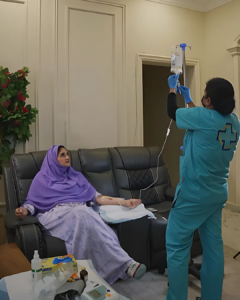
IV drip therapy at home puts fluids, vitamins, and minerals straight into your bloodstream through a small line in your vein. It skips your stomach and gut completely, so your body absorbs everything faster than it would from food or pills. A nurse comes to your house, sets up the drip, and stays with you the whole time.
This guide covers what actually happens during a session, the main types of drips, and the safety steps a licensed nurse should always follow. By the end, you’ll know what to look for before you book one.
What Is IV Drip Therapy?
IV stands for intravenous, which just means “inside the vein.” A nurse places a thin, soft tube called a cannula into a vein, usually in your arm. That tube connects to a bag holding a mix of fluids, vitamins, minerals, or amino acids. The bag slowly drips into your bloodstream over 30 to 60 minutes.
Your body absorbs almost 100% of what’s in the bag, since nothing gets broken down by your stomach first. That’s the main reason people choose an IV drip over a multivitamin pill or a sports drink. A pill might lose a lot of its value passing through your digestive system. An IV bypasses that step.
Why People Choose IV Drip Therapy at Home
Clinics and hospitals still offer IV therapy, but home visits solve a few real problems.
You skip the travel. No parking, no waiting room, no driving home after you already feel drained.
You get one-on-one care. A nurse focuses only on you for the whole session, not on multiple patients at once.
It fits sick days. If you’re dealing with a cold, dehydration, or exhaustion, the last place you want to be is a crowded clinic.
It fits busy schedules. Evening and weekend slots are common with home providers, which matters if your week is packed with work or travel.
Providers like Dio Life built their entire model around this. Every session happens at your home, work, or hotel, with a DHA-approved nurse handling the setup and monitoring you the whole time.
Types of IV Drips: What’s Actually in the Bag
Not all IV drips do the same job. The mix inside the bag changes based on what you need. Here are the most common types people book.
| Drip Type | What It’s Typically Used For |
|---|---|
| Hydration/Saline Drip | Replacing fluids after illness, heat exposure, or a heavy workout |
| Energy Boost Drip | B-vitamins to fight fatigue and support focus |
| Immunity Drip | High-dose Vitamin C and zinc to support your immune system |
| Multivitamin/Wellness Drip | A broad mix of vitamins and minerals for general nutrition gaps |
| Skin & Glow Drip | Antioxidants and vitamins aimed at skin health |
| Recovery Drip | Electrolytes and fluids after a night out or intense exercise |
| Weight Loss Support Drip | Nutrients paired with a metabolism-focused formula |
| NAD+ Drip | Coenzyme therapy aimed at cellular energy and anti-aging support |
Prices usually shift based on which drip you pick and how many active ingredients it contains. A basic hydration bag costs far less than a specialty NAD+ formula, since the ingredients themselves cost more.
If you’re not sure which one fits you, a good provider won’t just sell you the priciest option. They’ll ask about your symptoms first. At Dio Life, a nurse or doctor can walk you through the full list of IV options and help match one to your actual goal, whether that’s more energy, faster recovery, or general wellness support.
What Happens During a Home IV Session
Here’s the real step-by-step, not the highlight-reel version.
- Booking and screening. You pick a drip type and a time slot. A good provider asks basic health questions before the visit, not after the needle is already in your arm.
- The nurse arrives. She brings sterile equipment, gloves, and the prepared IV bag. Everything should be sealed and unopened until she’s in front of you.
- A quick check-in. Blood pressure, any allergies, current medications, and how you’re feeling that day. This step catches problems before they start.
- Placing the line. The nurse cleans your skin, inserts a small cannula into a vein (usually your arm), and secures it with tape.
- The drip runs. This takes 30 to 60 minutes depending on the bag size and type. You can sit, read, work on your laptop, or just rest.
- Monitoring throughout. The nurse stays in the room the entire time, watching for any reaction and adjusting the flow rate if needed.
- Removal and aftercare. Once the bag empties, she removes the line, applies a small bandage, and gives you aftercare tips, like drinking water and avoiding heavy lifting with that arm for a few hours.
The whole visit, including setup and check-in, usually takes under 90 minutes.
Safety Protocols That Actually Matter
This is the part people skip past, but it’s the part that matters most. IV therapy is a medical procedure. It should never feel casual.
A licensed nurse must place the line. Not an aesthetician, not a wellness coach. In Dubai, this means a nurse approved by the Dubai Health Authority (DHA).
Sterile, single-use equipment only. Needles, tubing, and cannulas should come sealed and get opened in front of you, then disposed of after use.
A health screening before every first session. This should flag any condition that makes IV therapy risky, such as kidney problems, heart conditions, or certain allergies.
Full disclosure of your medications and health history. Some vitamins and minerals interact badly with existing conditions or medications. A responsible provider will ask, and you should answer honestly.
Pregnant or breastfeeding patients need doctor clearance first. Most reputable providers will not proceed without it.
Someone stays with you the entire time. A nurse should never set up your line and leave. Reactions, though rare, can happen fast, and someone trained needs to be there.
A licensed medical background, not just a home visit brand. Dio Life operates under DHA License #9201890, and every IV session is carried out by a DHA-approved nurse following clinical protocol, not just a wellness service dressed up to look medical.
If a provider skips any of these steps, that’s a reason to walk away, no matter how convenient the booking process looks.
Who Should Think Twice Before Booking
IV therapy isn’t right for everyone. You should talk to a doctor first if you:
- Are pregnant or breastfeeding
- Have kidney disease or heart problems
- Have a history of fainting or fluid overload
- Are currently on blood thinners or certain heart medications
- Have a known allergy to any ingredient in the drip
A responsible provider will ask about these before your first session, not after.
How Often Can You Get IV Drip Therapy?
This depends on your goal. Some people book a drip once a month as general maintenance. Others use it only when they need it, like after a rough week, before a big event, or during recovery from illness or surgery. There’s no single right answer here. A nurse or doctor can look at your health history and suggest a schedule that makes sense for you, instead of pushing a fixed weekly plan on everyone.
Frequently Asked Questions
Is IV drip therapy at home safe? Yes, when a licensed nurse handles it. Safety comes down to who’s holding the needle and what protocols they follow, not where the session happens. A DHA-approved nurse using sterile, single-use equipment makes a home session just as safe as one in a clinic.
How long does an IV drip session take? Most sessions run 30 to 60 minutes, depending on the bag size and drip type. Add setup and check-in time, and the full visit usually takes under 90 minutes.
Does IV therapy hurt? You’ll feel a quick pinch when the cannula goes in, similar to a blood draw. After that, most people don’t feel anything from the line itself.
What’s the difference between IV therapy and taking vitamins? Vitamins you swallow pass through your digestive system first, and your body only absorbs a portion of them. An IV drip goes straight into your bloodstream, so your body uses almost all of it right away.
Can I go back to work after an IV drip? Yes. Most people return to normal activity right after a session. You should avoid heavy lifting with the arm used for the line for a few hours, but otherwise there’s no real downtime.
How do I know which IV drip is right for me? Tell the nurse or doctor what you’re dealing with, low energy, poor sleep, dehydration, or general wellness goals, and they can recommend a drip that matches. Avoid picking based on price alone.
Are there side effects from IV drip therapy? Most people have no issues beyond mild bruising at the injection site. Rare side effects can include a reaction to a specific vitamin or mineral, which is why a health screening before your first session matters.
Is home IV therapy legal and regulated in Dubai? Yes, when provided by a DHA-licensed operator using DHA-approved nurses. Always check that a provider holds a valid DHA license before booking, and don’t be shy about asking for it.
Final Thoughts
IV drip therapy at home can genuinely help with energy, hydration, and recovery, but only when it’s done right. The convenience of a home visit should never come at the cost of proper medical protocol. Look for a licensed provider, ask about their screening process, and confirm a trained nurse stays with you for the full session.
Dio Life runs every IV session this way, with DHA-approved nurses, sterile equipment, and a proper health check before your first drip. If you’re curious which option fits your goals, their team can walk you through it before you book anything