
What Mandatory Cancer Screening Means for You — and How DIO Life Makes It Easy
What Mandatory Cancer Screening Means for You — and How Diolife Makes It Easy
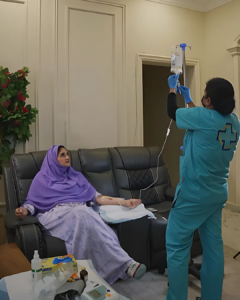
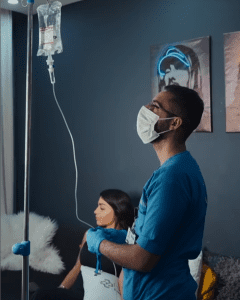
The UAE is moving decisively toward prevention by expanding early screening for major cancers and chronic diseases, great news for residents and families who want to stay healthy. Reports indicate national authorities aim to link preventive checks with mandatory health insurance so residents can access routine screening at little to no extra cost. Diolife Health aligns with this vision by bringing hospital‑grade blood tests to your doorstep in Dubai. With our at‑home Cancer Marker and Cardiac Marker Test packages, a licensed nurse visits you, collects samples safely, and our accredited labs handle the rest. It’s screening made simple: less travel, less hassle, more peace of mind.
Early detection isn’t just a slogan—it’s the single most impactful way to improve survival and reduce the emotional and financial burden of late‑stage disease. While official program details evolve, you don’t have to wait to be proactive. Use Diolife’s convenient home testing to build a baseline, monitor changes, and discuss next steps with your doctor. These tests complement standard screening pathways (like mammograms, colonoscopies, Pap/HPV tests, and low‑dose CT scans for high‑risk individuals), helping you act sooner, not later. Prevention belongs at home—literally.
What is the UAE’s move toward mandatory cancer screening?
The UAE’s move toward mandatory cancer screening is a plan to make routine early detection a standard part of insured healthcare. In short: it links eligible screening tests to mandatory insurance so residents can access checks without additional out‑of‑pocket costs. It aims to prioritize cancers such as breast, colorectal, cervical, and lung (for eligible, higher‑risk groups), alongside chronic disease checks. This means residents can expect clearer pathways, reminders, and coverage alignment as systems roll out. Practically, that’s a big step up from “optional” screening to a proactive, population‑level program. For you, it translates to timely invitations to screen, easier scheduling, and better continuity of care. While national timelines and specific eligibility criteria are finalized by authorities, the direction is unmistakable: prevention first. Our advice is simple: keep your contact details updated with your insurer and primary provider, watch for screening invitations, and use at‑home services like Diolife to stay on top of your health between appointments.
For everyday life, this shift means you’ll be increasingly invited or required by insurers or providers to attend screening at defined intervals. The intent is that costs for covered tests are handled through your existing insurance benefits. You should follow official notices from your insurer and healthcare provider to understand which tests you’re eligible for and how often to do them. In practice, you’ll likely see more reminders, digital portals, and clinic or at‑home options to complete your screening on time. At DIO Life Health, we complement these pathways with nurse‑led home visits for blood‑based checks (cancer and cardiac markers) so busy professionals, parents, and seniors can participate without disrupting their day. While blood‑based tests don’t replace imaging or procedures when indicated, they help you and your doctor catch red flags earlier. The bottom line: say yes to prevention—screen on time, and choose the most convenient route for you.
What is an at‑home cancer marker test (and what can it tell me)?
An at‑home cancer marker test is a blood test that measures tumor‑related substances linked to certain cancers. In two lines: it checks for biomarkers that may be elevated when cancer is present or active. It supports early detection and monitoring but does not diagnose on its own. Typical markers include PSA (prostate), CA‑125 (ovarian), CEA (gastrointestinal), and CA 19‑9 (pancreatobiliary), among others. Elevated levels can signal the need for further evaluation, while normal levels don’t rule out cancer entirely. That’s why marker tests complement—not replace—gold‑standard screening like mammograms, colonoscopy, Pap/HPV, or low‑dose CT (for eligible smokers). As a proactive tool, they’re great for establishing a baseline, tracking changes over time, and guiding timely referrals. Diolife’s at‑home service adds comfort and speed: we come to you, our accredited labs process samples, and you get clear, physician‑friendly reports.
Here’s how it works with Diolife in Dubai. You book online or by phone; a licensed nurse arrives at your home or office for a hygienic blood draw; our UAE‑certified lab analyzes markers such as PSA, CA‑125, CEA, CA 19‑9, and related panels depending on your package (for men or women). Results typically include reference ranges and flag any out‑of‑range values. Two crisp facts: if markers are high, your doctor may order imaging or specialist reviews; if markers are normal, you continue routine screening as advised. Importantly, tumor markers can sometimes be elevated for non‑cancer reasons (inflammation, benign conditions), and some cancers don’t shed useful markers early. That’s why we encourage combining marker tests with guideline‑based screening. Our care team can coordinate follow‑up, share reports directly with your physician, and help you navigate next steps so you’re informed, supported, and in control.
What is a cardiac marker test, and who should consider one?
A cardiac marker test is a blood test that measures heart‑specific biomarkers released during stress or injury. In simple terms: troponin, CK‑MB, and NT‑proBNP help detect heart attacks, heart failure strain, or ongoing cardiac stress. For emergencies (like chest pain), these tests guide urgent care; for prevention, they help assess risk and prompt earlier lifestyle or medical interventions. At Diolife, our at‑home Cardiac Marker Test measures key markers (e.g., troponin‑I, CK‑MB, NT‑proBNP) processed by accredited labs. If any marker is elevated, we recommend urgent medical evaluation. If normal, we still advise regular checkups—especially if you have risk factors like hypertension, diabetes, high cholesterol, a smoking history, or strong family history. For many Dubai residents, pairing cardiac markers with cancer markers creates a comprehensive snapshot of health without a hospital visit.
Who should consider a preventive cardiac marker panel? Adults with multiple risk factors, high stress lifestyles, or new symptoms (e.g., unusual breathlessness, chest tightness, decreased exercise tolerance) should talk to a doctor about testing. Two key takeaways: cardiac markers are invaluable in diagnosing acute events, and in select cases they can help identify high‑risk patients earlier. They don’t replace a full cardiovascular workup or ECG/echo when indicated, but they do provide powerful, objective data. With Diolife’s at‑home service, a nurse visits you, handles sample collection with clinical‑grade safety, and returns results quickly. We also advise on next steps—whether that’s seeing a cardiologist, repeating tests, or updating your lifestyle plan. Prevention is practical: combine periodic biomarkers with blood pressure checks, lipid profiles, glucose/HbA1c, and activity goals. Small, consistent steps today can prevent big problems tomorrow. ❤️
What is the best way to prepare for at‑home testing in Dubai?
Preparing for an at‑home blood test is straightforward. The short answer: check fasting requirements, have your medication list ready, hydrate, and pick a quiet spot for the nurse visit. Some tests are best done fasting (8–12 hours), while many marker tests don’t require fasting; our team will advise at booking. Drink water hydration helps with a smooth draw. Wear short sleeves or loose clothing, keep your Emirates ID/insurance card handy, and have a comfortable chair/table ready. If you’re nervous about needles, let the nurse know—we’re trained to make the process calm and quick. After your draw, you can usually resume normal activities immediately. Results are delivered securely, often with same‑ or next‑day turnaround depending on the panel. Then, share them with your doctor for interpretation in context of your history and symptoms.
Safety and privacy are central to Diolife’s service. What matters most: sterile technique, proper labeling, chain‑of‑custody to the lab, and secure digital reporting. Our phlebotomists follow clinical protocols, and our labs run internal quality controls to ensure reliable results. We encrypt your data and only share reports with your consent. Scheduling is flexible early mornings, evenings, or weekends to fit work and family routines. If you’re screening before an upcoming clinic visit, tell us your deadline so we can prioritize turnaround times. Two clear tips: ask us about any medications or supplements that might affect your specific panel, and avoid strenuous exercise right before a cardiac marker test (intense effort can transiently affect some markers). With good prep and a trusted provider, at‑home testing becomes a seamless part of preventive care.
What is the difference between tumor marker screening and diagnostic imaging?
Tumor markers are blood‑based signals that can suggest increased risk or activity of certain cancers. Diagnostic imaging (like mammography, ultrasound, colonoscopy, CT, or MRI) visualizes tissues to find actual lesions. The crisp answer: markers can raise suspicion; imaging often confirms and stages disease. They work best together, not in isolation. For example, PSA might prompt a urology referral and prostate imaging/biopsy; a raised CA‑125 could lead to pelvic imaging; a high CEA might trigger GI evaluation. Conversely, imaging might be normal while markers trend up warranting closer follow‑up. This interplay is why physicians look at patterns over time, not single snapshots. Using both tools intelligently improves the odds of catching disease earlier, when treatment outcomes are best. DIO life’s role is to make the blood‑test half easy from home, while your clinician guides imaging decisions.
Here’s a practical way to think about it. Tumor markers are like an early alarm—sensitive to changes, but not always specific. Imaging is like opening the door to see what’s really there. Two bottom lines: normal markers don’t guarantee zero cancer, and abnormal markers don’t prove cancer by themselves. That’s why guidelines still recommend age‑ and risk‑based imaging and procedures such as mammograms (women), colonoscopy/fit tests (adults 45+ per many guidelines), Pap/HPV (women), and low‑dose CT (eligible high‑risk smokers). In Dubai, Diolife empowers you to track markers conveniently; your physician coordinates imaging and follow‑up. If you receive an out‑of‑range result, don’t panic—book a consult. Many benign conditions can elevate markers, and repeating the test or adding imaging often clarifies the picture. Together, markers plus imaging create a smarter, safer screening pathway.
What is included in Diolife’s at‑home cancer and cardiac marker packages?
Diolife’s at‑home Cancer Marker Test packages offer gender‑specific panels designed to reflect common clinical use. In brief: our men’s package typically includes PSA, CEA, and additional GI or organ‑related markers as clinically appropriate; our women’s package focuses on CA‑125, CEA, CA 19‑9, and related markers used in gynecologic and GI pathways. These selections help flag potential risks that warrant further evaluation. We constantly review panels to reflect evolving medical practice and local guidelines. Remember, marker panels are screening aids and monitoring tools—they do not diagnose cancer alone. If values are elevated, your doctor may add imaging or specialist referrals. If normal, you continue routine screening intervals. Our reports are physician‑friendly, highlighting reference ranges, flags, and trends when repeats are available, so your care team can make swift, informed decisions.
For heart health, our Cardiac Marker Test at home typically measures troponin‑I, CK‑MB, and NT‑pro BNP—core biomarkers for acute injury and cardiac strain. The concise answer: troponin helps detect myocardial injury; CK‑MB assists in differentiating cardiac muscle damage; NT‑pro BNP reflects heart‑failure related stress. In preventive contexts, elevated values prompt immediate medical attention or a deeper cardiology workup. Where relevant, we can bundle lipid profiles, hs CRP, and glucose/HbA1c to give a broader cardiovascular risk snapshot. You’ll receive secure digital results, and we can share them directly with your clinician on request. We also provide guidance on urgency: when to call your doctor, when to go to urgent care, and when to schedule routine follow‑up. By combining cancer and cardiac panels, DIO life enables a practical, high value annual check‑in from the comfort of your home especially helpful for busy schedules or mobility concerns.
What is the booking process and insurance pathway with DIO life Home Health?
Booking with DIO life is designed to be frictionless. The short version: choose your test online or by phone, pick a time, a nurse comes to you, and results arrive securely fast. During booking, we confirm your location, preferred time, panel requirements, fasting needs, and any doctor’s notes. On visit day, our nurse verifies identity, obtains consent, and performs a careful, sterile blood draw. Samples are transported under controlled conditions to our accredited lab. You can carry on with work or family plans while we do the heavy lifting. Once results are ready, you’ll get a secure link and optional clinician review add‑ons. If anything looks urgent, we’ll flag it immediately and advise appropriate next steps. Post‑result, we can connect you to network providers, specialists, or imaging centers where needed.
Insurance and coverage can vary by plan and evolving policy. The condensed answer: many preventive tests are moving toward broader coverage, but benefits differ, and pre‑authorization may be required for some services. We’ll help you understand your options, provide detailed invoices and medical codes, and support reimbursement claims where applicable. If your insurer requires tests to be done at specific facilities for full coverage, we’ll advise you before booking. For corporate clients, we offer group screening days and employer‑linked invoices to simplify processes. Our goal is to remove friction: clear pricing, transparent turnaround times, and straightforward documentation. Whether you’re preparing for an annual wellness check, establishing baselines, or following your doctor’s advice, Diolife’s home service reduces time cost while keeping clinical quality high.
What is the difference between at‑home screening and hospital visits?
At‑home screening is about convenience, comfort, and compliance; hospital or clinic visits are about procedural and imaging capability. In two sentences: at‑home blood tests fit around your life and boost adherence. Hospital visits remain essential for imaging, procedures, and in‑person examinations. For many Dubai residents, the smart strategy is a hybrid: complete blood‑based checks at home first, then go in for imaging or specialist consults only when needed. This reduces diary chaos without compromising care. With DIO life, you’ll get the same high‑quality phlebotomy and lab standards you expect in a clinic, minus the queues and parking. For complex or urgent complaints, we always direct you to in‑person care safety first. The right mix depends on your risk profile, age, family history, and physician guidance.
Choosing your path comes down to three questions: what’s your risk, what’s required by guidelines, and what’s most practical for you? If you’re due a mammogram, colonoscopy, Pap/HPV test, or low‑dose CT scan (for eligible smokers), keep those appointments they are irreplaceable pillars of early detection. Meanwhile, use at‑home tumor and cardiac markers to keep a steady eye on trends. Two clarifying points: combining at‑home and in‑clinic care yields better detection than relying on one alone, and completing tests on schedule matters more than where you take them. Dio life’s scheduling flexibility, multilingual team, and discreet service help busy professionals, parents, and seniors stay on track. Prevention is a journey let’s make it easy, consistent, and tailored to you.
Closing note and friendly reminder
- Always follow official guidance from UAE health authorities and your insurer; details on eligibility and intervals will be defined by those bodies.
- Dio life’s at‑home tests complement, not replace, guideline‑based screenings and physician care. If your results are abnormal—or your symptoms change seek a medical opinion promptly.
Ready to take the next step? Book your at‑home Cancer Marker or Cardiac Marker Test with Dio life Home Health in Dubai today and make prevention effortless. We’ll come to you, so you can keep living your life healthier, sooner.